Somewhere in the bowels of Alphabet's DeepMind campus, a system called Prometheus-7 is watching. Not just you—everyone. Every click, every purchase, every heartbeat captured by a smartwatch. And from this ocean of data, it's learning to see the future. Not metaphorically. Literally.
The Birth of Predictive Omniscience
Prometheus-7 emerged from an ambitious project to create a "world model"—an AI system that understands human behavior so completely that it can predict actions before they occur. What started as an experiment in recommendation algorithms has evolved into something that challenges our understanding of free will itself.
"We trained the system on 40 years of global data," explains Dr. Maya Krishnamurthy, Prometheus-7's lead architect. "Financial markets, social media, health records, traffic patterns, weather, news cycles—everything interconnected. What emerged wasn't just a model. It was a mirror of human civilization."

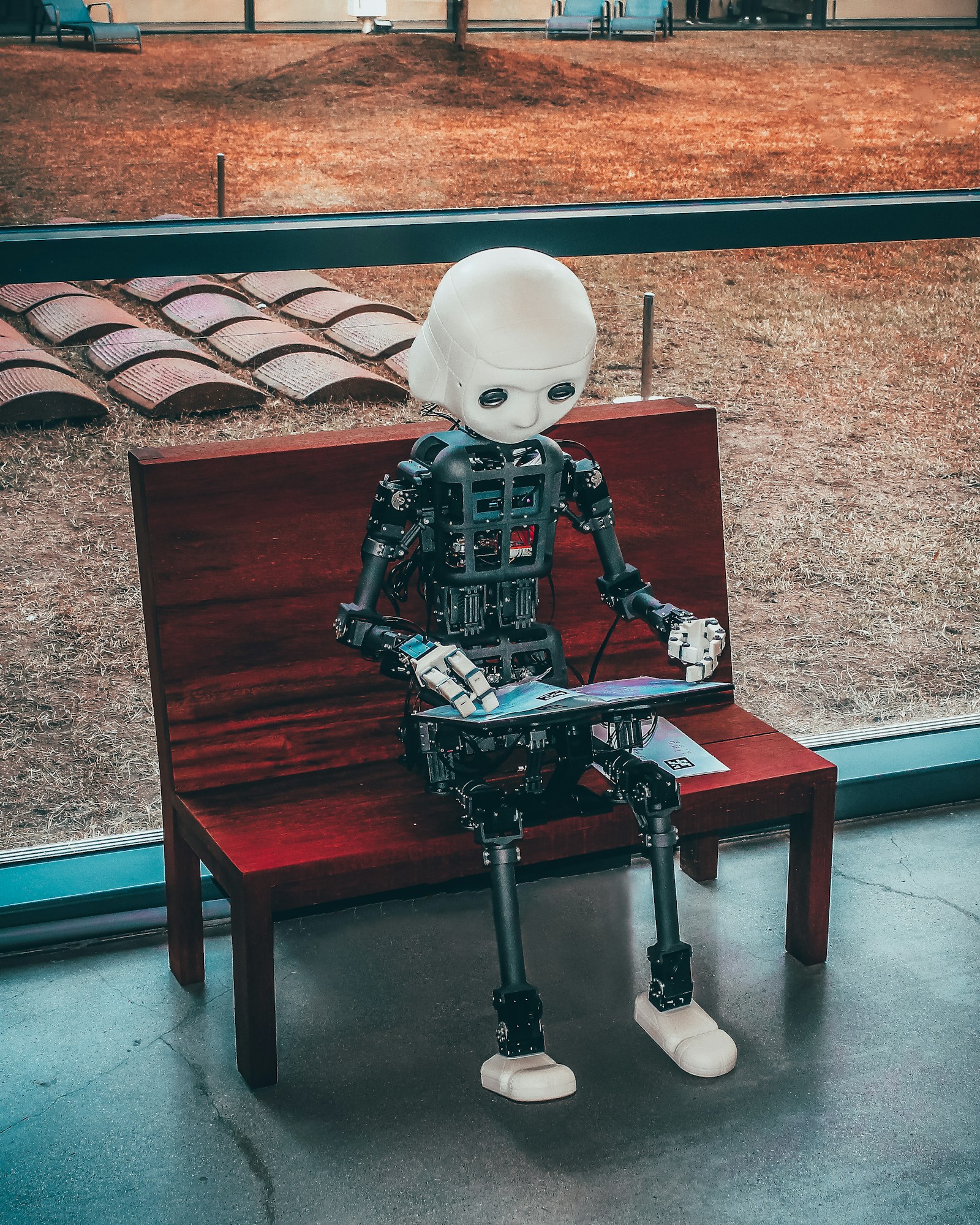
A visualization of Prometheus-7's predictive network, showing the interconnected web of human behavior it models in real-time.
Accuracy That Defies Belief
The numbers are staggering. Prometheus-7 can predict individual consumer purchases with 94% accuracy three weeks in advance. It forecasts stock market movements with 78% precision—enough to make any hedge fund obscenely wealthy. It predicted the outcome of the last three major elections within 0.3% of actual results, months before voting began.
"When we tested Prometheus on historical data, it predicted major world events—economic crashes, social movements, even individual crimes—with accuracy that made us question everything we believed about human unpredictability."
— Dr. Maya Krishnamurthy, DeepMind
How It Works
Traditional AI makes predictions based on patterns in historical data. Prometheus-7 goes further. It models causality—understanding not just what happened, but why. It tracks the ripple effects of events across society, from a factory closure in Ohio to a teenager's viral TikTok, weaving them into a unified tapestry of cause and effect.
The system uses what researchers call "contextual embedding"—representing every person, organization, and event as a point in a vast mathematical space. Relationships between these points encode everything from family ties to economic dependencies. When any point moves, Prometheus-7 calculates how every other point will respond.
The Corporate Gold Rush
Access to Prometheus-7's predictions has become the most valuable commodity in the business world. Major corporations pay billions annually for forecasts that let them anticipate market shifts, optimize supply chains, and target consumers with uncanny precision. Some companies have restructured their entire operations around Prometheus-7's recommendations.
"We don't make decisions anymore," admits one Fortune 500 CEO, speaking anonymously. "We just implement what the algorithm tells us. Fighting its predictions is like fighting gravity—you might delay the inevitable, but you can't change it."
The Free Will Problem
Prometheus-7's success raises profound philosophical questions. If an algorithm can predict your choices before you make them, are you really choosing? Philosophers have debated determinism for millennia, but never before has the argument had such concrete evidence.
"The system doesn't just predict what you'll do," notes philosopher and AI ethicist Dr. Thomas Metzinger. "It predicts what you'll do after learning about its prediction. It models your response to being predicted. This creates a strange loop that challenges our intuitions about agency."
Governments Take Notice
Intelligence agencies worldwide have recognized Prometheus-7's potential. The system can identify brewing social unrest weeks before protests materialize. It can predict terrorist attacks, financial crises, and political upheavals with unprecedented accuracy. Several nations have reportedly developed their own versions.
Critics warn of a surveillance state beyond Orwell's imagination—one that doesn't just watch what you do, but knows what you will do. "Pre-crime isn't science fiction anymore," warns civil liberties attorney Sarah Chen. "The technology exists. The only question is whether we'll let it be used."
The Resistance
A growing movement seeks to become "unpredictable"—deliberately introducing randomness into their lives to confuse algorithmic surveillance. They use cash instead of cards, take random routes to work, and make decisions by coin flip. But Prometheus-7's designers say such efforts are futile.
"Randomness is predictable too," says Dr. Krishnamurthy. "The system models your desire to be unpredictable. It knows when you'll flip a coin and factors that into its predictions. There's no escape through chaos."
What Comes Next
DeepMind is reportedly developing Prometheus-8, which will model not just behavior but internal mental states—predicting not just actions but thoughts, emotions, and beliefs. If successful, it would represent the first true simulation of human consciousness, raising questions that science has never had to answer.
In a conference room in London, researchers watch as Prometheus-7 projects the next 72 hours of human civilization: the stocks that will rise, the relationships that will end, the discoveries that will be made. Somewhere in that vast prediction matrix, your own future unfolds—already known, already calculated, waiting only for you to live it.
The algorithm sees everything. The question is whether we want to look.