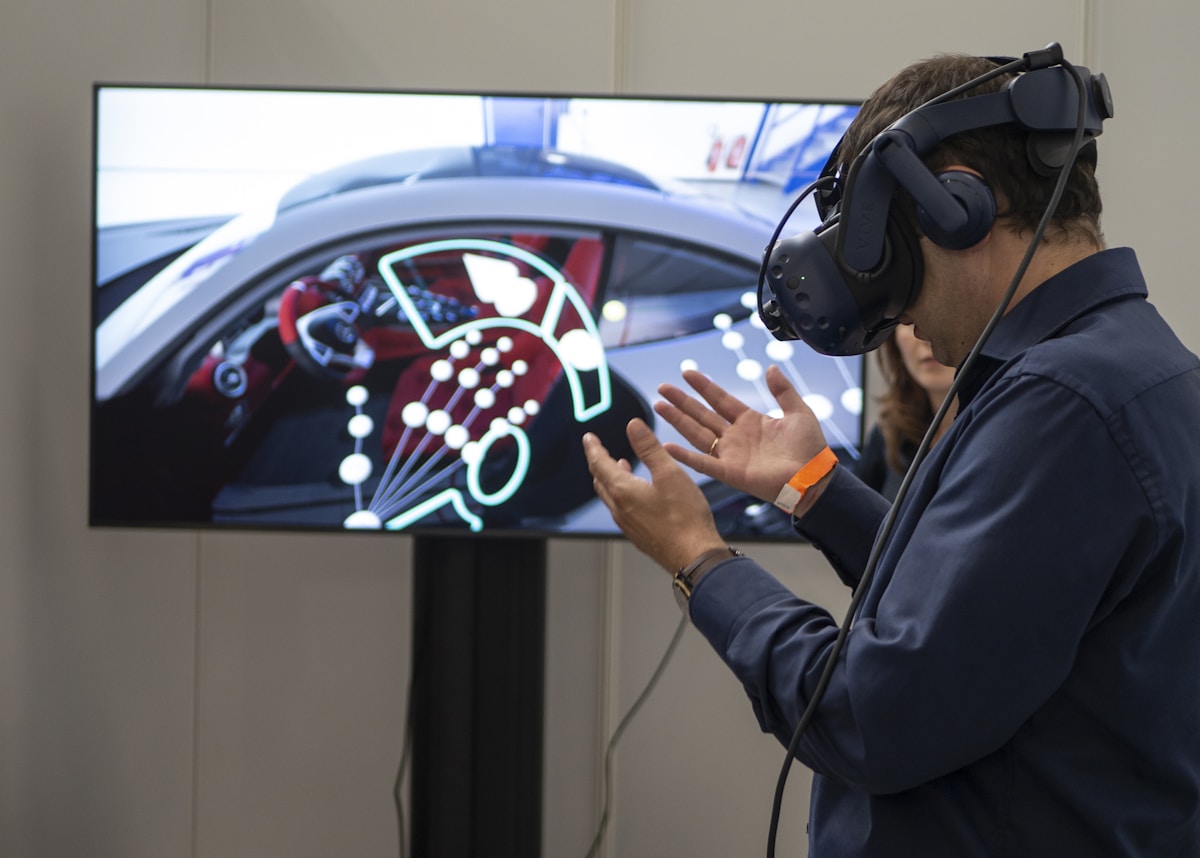
Neuralink has officially launched its consumer gaming platform, allowing players to control games purely through thought. Controllers, keyboards, and even VR handsets are suddenly obsolete. Welcome to the age of neural gaming.
Thought-Speed Gameplay
The N2 gaming implant, a minimally invasive chip installed through a 15-minute outpatient procedure, reads neural signals with millisecond precision. Players can execute complex in-game actions faster than their fingers could ever move—reaction times drop from 200ms to under 50ms.
"The gap between thinking and doing has been eliminated," said Neuralink gaming director Sarah Chen. "You don't press a button to jump. You think 'jump' and you're already in the air. It's as natural as moving your own body."
Early Adopters Go All In
Despite the $15,000 implant cost, 847,000 gamers have already undergone the procedure. The professional esports community has embraced the technology—and the results have been transformative.
"Traditional controllers feel like trying to play piano with oven mitts now. Once you've experienced neural gaming, there's no going back."
Esports leagues are scrambling to address competitive balance. Some have created "neural divisions" while others have banned implants entirely, sparking debates about accessibility and the nature of fair competition.
Beyond Control: Full Sensory Immersion
The N2 isn't just about input—it's also about output. The chip can stimulate sensory experiences directly in the brain, allowing players to feel textures, temperatures, and even simulated pain (intensity-limited for safety). In supported games, players don't just see virtual worlds—they feel them.
First-person experiences become genuinely first-person. Horror games are terrifyingly immersive. Racing games deliver actual G-force sensations. The implications for entertainment are staggering.
Health Concerns Persist
Critics warn of unknown long-term effects. While Neuralink has FDA approval and a strong safety record from medical applications, the gaming implant represents a new frontier of elective brain surgery for entertainment.
Psychologists have raised concerns about addiction potential. When games can directly stimulate pleasure centers, where's the line between gaming and digital drugs? Neuralink has implemented "wellness limits" and mandatory break periods, but skeptics question whether software safeguards are sufficient.
The Future of Play
Major studios are racing to develop neural-native games—titles designed from the ground up for thought control and sensory feedback. Microsoft, Sony, and Nintendo have all announced neural gaming initiatives.
Within five years, industry analysts predict neural interfaces will be as common as smartphones among serious gamers. The era of physical input devices may be ending—and the era of direct brain-computer gaming has just begun.