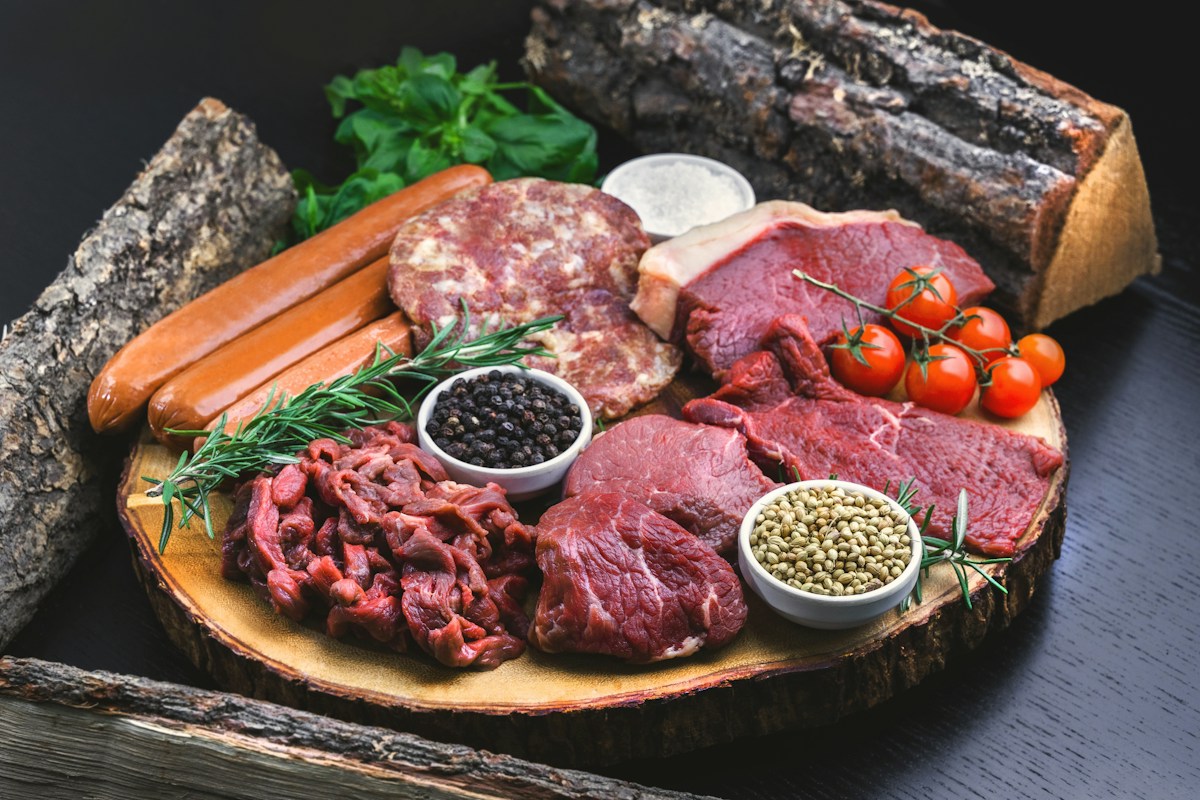
The tipping point arrived faster than anyone predicted. Cultivated meat—grown from animal cells without slaughter—has achieved both price parity and taste indistinguishability from conventional meat. Industry analysts now project it will outsell traditional meat globally by 2027.
What was once a $300,000 laboratory curiosity is now a $4.99 package at your local grocery store. The implications for climate change, animal welfare, and the global food system are staggering.
The Science of Meat
Cultivated meat is grown from animal cells in bioreactors—essentially brewing meat like beer. A small sample of cells from a living animal can produce thousands of pounds of meat without raising or killing a single creature.
The breakthrough came with scaffolding technology that allows cells to grow in three-dimensional structures, creating the texture and marbling of traditional cuts. Combined with precision fermentation for fats and flavoring, the result is molecularly identical to conventional meat.
Environmental Revolution
Traditional animal agriculture accounts for 14.5% of global greenhouse gas emissions—more than all transportation combined. It uses 77% of agricultural land while providing just 18% of calories consumed. The environmental case for cultivated meat is overwhelming.
Early lifecycle analyses suggest cultivated meat could reduce emissions by up to 92% and land use by 95%. As production scales to meet demand, these benefits multiply.
The Taste Test
Consumer acceptance was the final hurdle, and it's been cleared. In blind taste tests, cultivated beef, chicken, and pork are now indistinguishable from their conventional counterparts. Major fast-food chains have begun serving cultivated options without labeling them differently.
"It's not fake meat. It's real meat grown differently," explains Dr. Uma Valeti, founder of Upside Foods. "The proteins, fats, and nutrients are identical."
Industry Transformation
Traditional meat producers face an existential choice: adapt or decline. Some, like Tyson and JBS, have invested heavily in cultivated meat startups. Others are lobbying for regulatory restrictions and labeling requirements.
The transition will displace millions of agricultural workers while creating new jobs in biotechnology and food manufacturing. Rural communities built around livestock farming face uncertain futures.
The Ethical Shift
For the first time in human history, we can enjoy meat without killing animals. The ethical implications are profound. Future generations may look back on factory farming the way we now view historical practices we've abandoned.
The dinner table is about to change forever. And most people won't notice the difference.