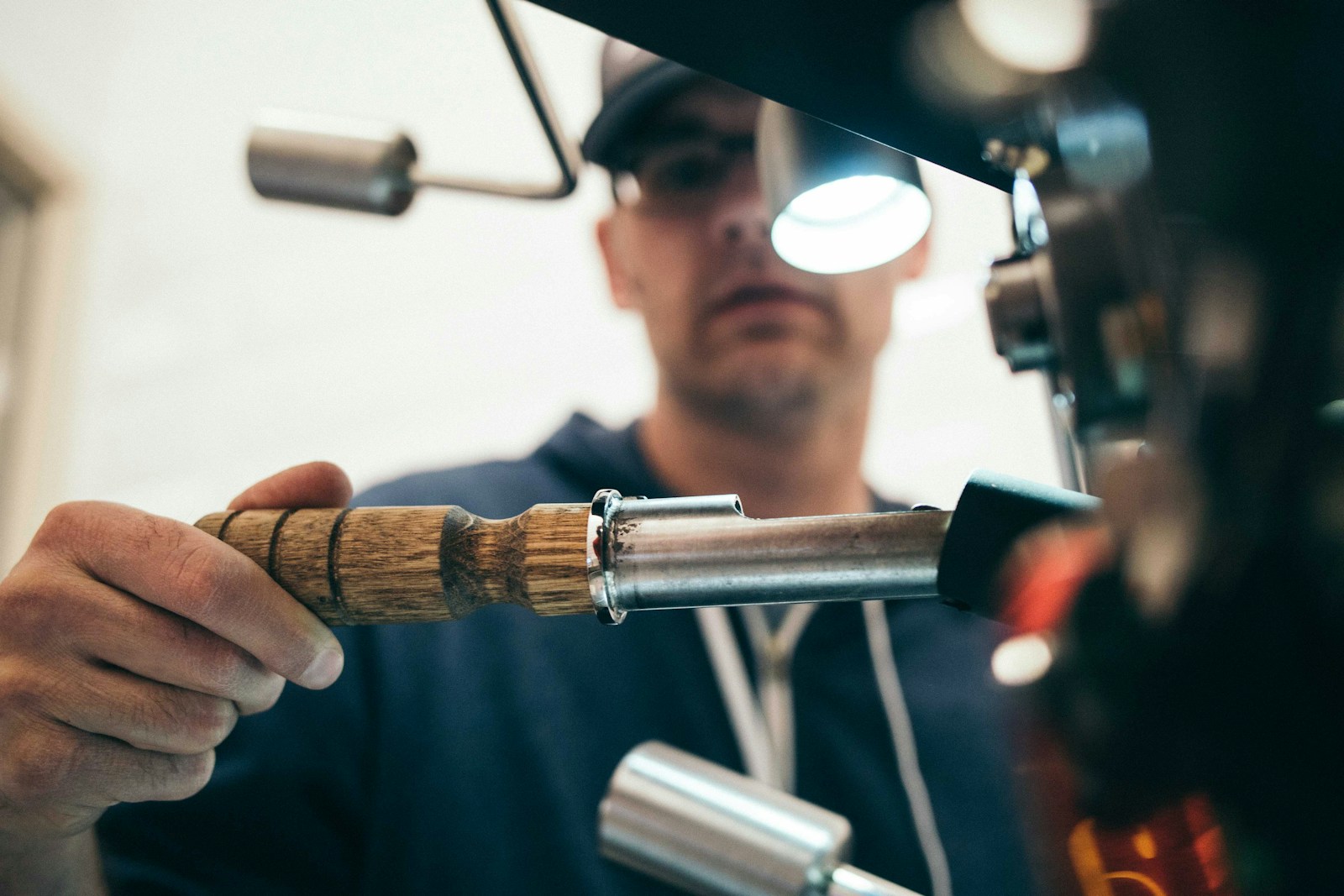
The robot stands six feet tall, its carbon-fiber frame gleaming under fluorescent lights. It moves with unsettling grace, lifting a 50-kilogram package as easily as a human lifts a coffee cup. This is Atlas Gen-4, Boston Dynamics' latest creation, and it just started its first shift at an Amazon fulfillment center in New Jersey.
The Robots Have Arrived
After decades of promises and prototypes, humanoid robots are finally entering the workforce at scale. Tesla's Optimus bots now number over 10,000 in Gigafactories worldwide. Figure AI's 01 robots are assembling BMW vehicles in Munich. And Boston Dynamics' Atlas units are revolutionizing logistics from New Jersey to Singapore.
"This isn't automation as we knew it," says robotics analyst Dr. Kenji Tanaka. "These machines can navigate human spaces, use human tools, and adapt to new tasks in real-time. They're not replacing specific jobs—they're replacing the need for human physical labor entirely."
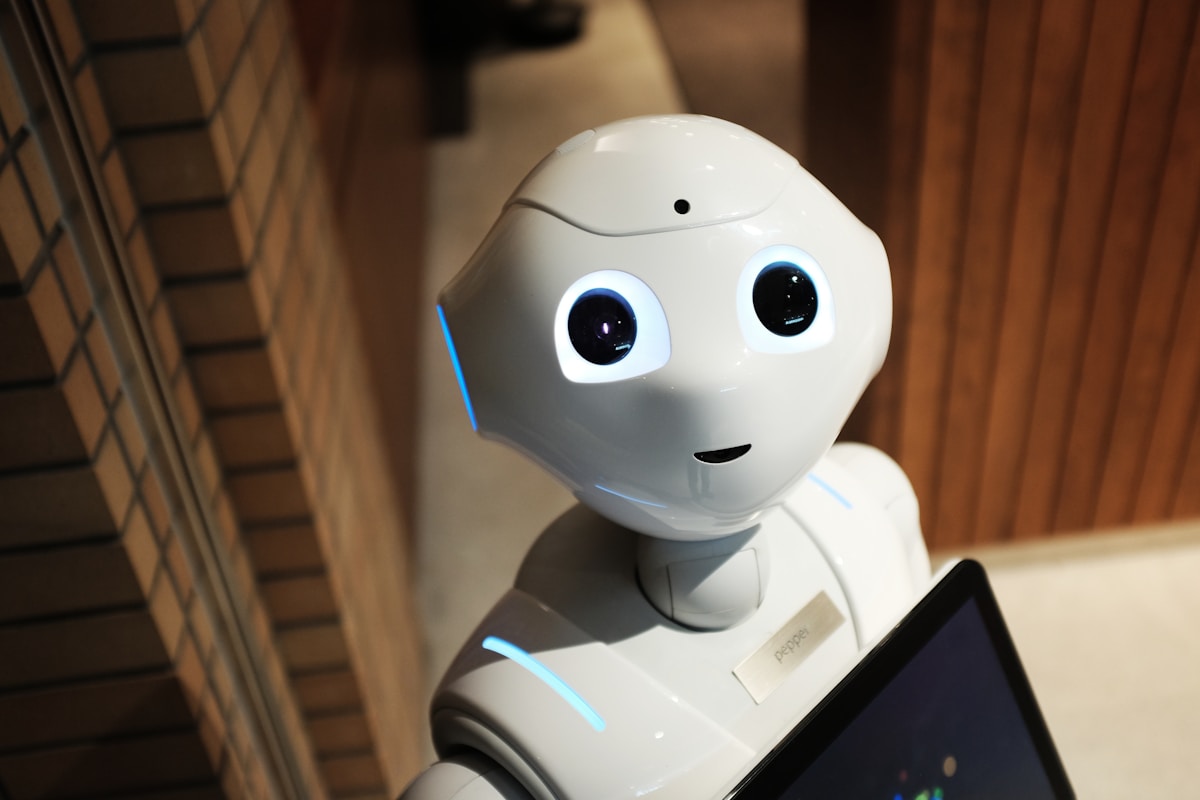
Tesla's Optimus robots working alongside human supervisors at the Austin Gigafactory.
Capabilities That Seemed Impossible
The latest generation of humanoid robots can perform tasks that seemed like science fiction just five years ago. They can walk on uneven terrain, climb stairs, open doors, and manipulate objects with near-human dexterity. More importantly, they learn. Using advanced AI systems, these robots can be taught new tasks through demonstration, just like training a human worker.
"Our robots watched warehouse workers for three weeks. Now they can do every task those workers performed, 24 hours a day, without breaks, without errors."
— Brett Adcock, CEO of Figure AI
The Economic Earthquake
The economic implications are staggering. A humanoid robot costs approximately $50,000 to manufacture—less than one year's salary for a warehouse worker. They operate continuously, require minimal maintenance, and never ask for raises or benefits. For corporations, the math is irresistible.
Goldman Sachs estimates that humanoid robots could displace 300 million jobs globally by 2035. Manufacturing, logistics, retail, and agriculture are the most immediately affected sectors, but the ripple effects will touch every industry.
Workers Fight Back
Unsurprisingly, the robot revolution has sparked fierce resistance. The International Brotherhood of Teamsters has called for a nationwide strike against robotic replacement. In Europe, new "robot taxes" aim to slow adoption and fund worker retraining programs. Some cities have banned humanoid robots from certain industries entirely.
"These corporations want us to believe there's no alternative," says union leader Maria Santos. "But there is. We can choose to value human dignity over profit margins. We can regulate this technology before it destroys the middle class."
The Companies Respond
Tech companies insist their robots will create more jobs than they eliminate. "Every technological revolution has been met with fear," argues Tesla's head of robotics, Dr. Milan Kovac. "But automation has historically led to greater prosperity, not less. Our robots will free humans from dangerous, repetitive work and allow them to pursue more creative, fulfilling careers."
Critics note that previous automation displaced workers gradually, over decades. Humanoid robots threaten to eliminate millions of jobs within years—far faster than economies can adapt.
A Day in the Robot Factory
At 3 AM in an Amazon warehouse outside Chicago, the night shift begins. But there are no humans arriving for work. Instead, 200 Atlas robots activate simultaneously, their optical sensors flickering to life. They disperse silently through the cavernous facility, each knowing exactly where to go, what to pick, how to pack.
A single human supervisor monitors everything from a control room, watching streams of data on multiple screens. He's one of three humans who work here now. Three years ago, this facility employed 1,500 people.
What Comes Next
As humanoid robots become more capable and less expensive, the pace of adoption will only accelerate. The question is no longer whether robots will transform the labor market, but how society will respond when they do.
Some envision a utopia where universal basic income allows humans to pursue passion and creativity while robots handle tedious work. Others fear a dystopia of mass unemployment and social unrest. The truth will likely fall somewhere between—but the transformation itself is now inevitable.
The robots are here. The revolution has begun.