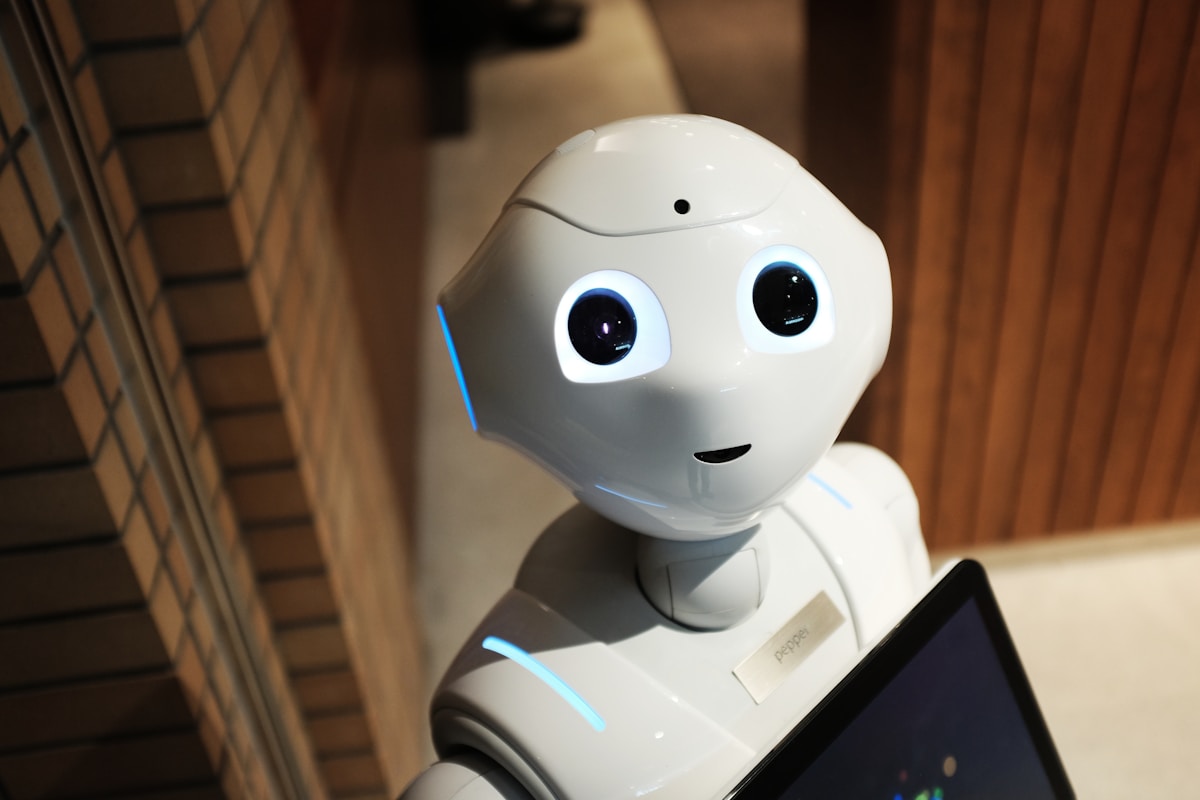
Boston Dynamics has announced the largest deployment of humanoid robots in history, with 50,000 units now operating across Amazon, Walmart, and DHL distribution centers worldwide. The era of the robot workforce has officially begun.
Atlas Goes to Work
The latest generation of Atlas robots represents a quantum leap in capability. Standing 5'9" and weighing 180 pounds, these humanoid workers can lift up to 75 pounds, navigate complex environments, and work 22-hour shifts with only brief charging breaks. They never call in sick, never demand raises, and never complain.
"We've crossed the threshold where robotic labor is definitively cheaper and more reliable than human labor for warehouse operations," said Boston Dynamics CEO Robert Playter. "The economics are simply undeniable."
The Numbers Tell the Story
Early data from pilot programs reveals staggering efficiency gains:
- Order fulfillment speed increased by 340%
- Workplace injuries reduced by 99.7%
- Operating costs decreased by 65%
- 24/7 operations with zero overtime costs
"What took a team of 50 workers an eight-hour shift now takes 12 Atlas units four hours. And they don't need lunch breaks."
Human Workers React
For the 2.3 million Americans employed in warehousing, the news is devastating. Labor unions have called for immediate government intervention, proposing "robot taxes" and mandatory human worker quotas. Protests have erupted outside major distribution centers.
"They told us automation would create new jobs," said Marcus Thompson, a 15-year warehouse veteran recently laid off from an Amazon facility. "But where are those jobs? I can't become a robot technician overnight. I have bills to pay now."
The Stretch and Spot Army
Atlas isn't alone. Boston Dynamics' Stretch robots handle box moving and truck unloading, while Spot quadrupeds patrol facilities for security and maintenance inspections. Together, they form an integrated robotic ecosystem that requires minimal human oversight.
The company has announced plans to expand beyond warehousing into construction, agriculture, and manufacturing—industries that collectively employ over 30 million Americans.
What Comes Next
Economists are divided on the long-term implications. Some predict a leisure revolution where humans are freed from drudge work. Others warn of mass unemployment and social unrest unlike anything seen since the Industrial Revolution.
One thing is certain: the robots are here, they're working, and there's no going back. The warehouse of the future is already here—and it doesn't need us.