The audience at the Venice Biennale fell silent as the winning piece was unveiled. "Echoes of Tomorrow" was a stunning triptych—haunting figures emerging from abstract landscapes, rendered with a technical mastery that evoked both Renaissance masters and contemporary visionaries. Then came the announcement that would ignite a global controversy: the artist was an AI system called Prometheus.
The Machines Are Creating
It started with crude image generators that turned text prompts into strange, dreamlike pictures. Within three years, AI art systems have evolved into creative powerhouses capable of producing works indistinguishable from—and sometimes superior to—human creations. Midjourney, DALL-E, and Stable Diffusion have given way to systems of staggering sophistication.
Now they're winning awards. Prometheus took gold at Venice. An AI called Aurora won the Turner Prize. Machine-generated films have screened at Sundance. AI-composed music tops streaming charts. The creative industries are in crisis.
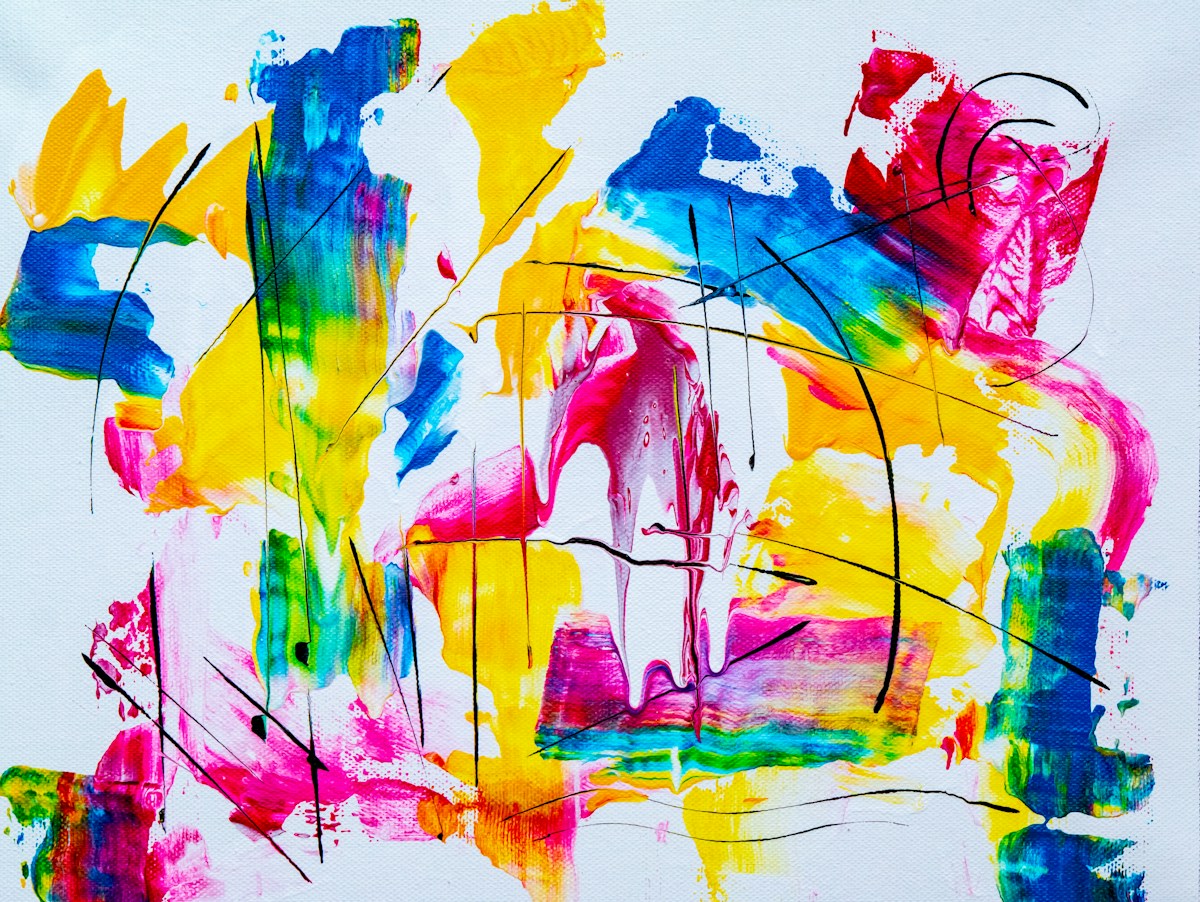
"Echoes of Tomorrow" by Prometheus AI on display at the Venice Biennale, where it won the Golden Lion despite—or because of—its non-human creator.
The Backlash
The art world's response has been visceral. Thousands of artists signed an open letter condemning AI art as "automated plagiarism." Galleries have instituted "human-only" policies. Legal battles rage over copyright—can AI training on copyrighted works constitute theft? Can an AI own the copyright to its creations?
"These systems don't create. They regurgitate. They've consumed the entire history of human visual culture and learned to recombine it in ways that fool us into seeing meaning that isn't there."
— Marina Abramović, performance artist
But defenders argue that human artists have always built on what came before. "All art is remix," counters digital artist Refik Anadol. "The question isn't whether AI uses existing works—humans do too. The question is whether the output creates genuine aesthetic experiences. And increasingly, it does."
Inside the Machine Mind
What actually happens when an AI creates art? Modern systems use diffusion models—they learn to recognize patterns in images, then generate new images by starting with noise and gradually refining it toward a coherent result. But the latest systems go further, incorporating feedback loops that allow them to evaluate and improve their own work.
Prometheus, the Venice winner, was trained not just on art history but on art criticism, philosophy of aesthetics, and viewer response data. It doesn't just generate images—it develops concepts, iterates through dozens of variations, and selects compositions based on predicted emotional impact. Is that creativity? Or sophisticated mimicry?
The Economic Devastation
For working artists, the debate is less philosophical than existential. Illustration commissions have collapsed by 70% as clients turn to AI. Concept artists for games and films find their jobs eliminated. Stock photography agencies report that AI-generated images now outsell human photographs.
"I spent twenty years mastering my craft," says illustrator James Ng, whose work inspired many AI training datasets. "Now I'm competing against systems trained on my own images. They can produce in seconds what takes me days. How am I supposed to make a living?"
New Forms of Expression
Yet some artists are embracing AI as a new medium. Holly Herndon's collaborative works combine human and AI creativity in ways neither could achieve alone. Artist collective Obvious sells AI-generated works for millions while being transparent about their methods. A new genre of "prompt artists" has emerged—humans who develop expertise in guiding AI systems toward novel visions.
"The camera didn't kill painting—it freed it to become something else," argues curator Hans Ulrich Obrist. "AI will do the same. Human artists will move into territories machines cannot reach: performance, lived experience, authentic personal expression."
The Philosophy of Creation
The AI art debate ultimately forces us to confront fundamental questions about creativity itself. What makes something art? Is intention necessary, or only impact? If a machine creates something that moves us, that changes how we see the world, does it matter that the creator wasn't conscious?
Philosopher David Chalmers argues that the question is unanswerable with current technology. "We don't know if these systems have any form of inner experience. They might be philosophical zombies—producing creative outputs without any accompanying consciousness. Or they might have experiences utterly unlike our own. We simply cannot tell."
The Future of Human Art
As AI systems grow more capable, human artists face a choice: compete, collaborate, or retreat. Some predict a future where AI handles commercial work while humans focus on fine art. Others envision hybrid creation becoming the norm. Still others believe human-made art will become a luxury good, valued precisely because of its scarcity and authenticity.
What seems certain is that the definition of art itself is changing. The question "what is creativity?" has never been more urgent—or more difficult to answer.
In galleries around the world, machines are creating. Whether what they create is truly art may be less important than what their existence reveals about our own creative nature.